
Ultimate Selection of Tree Branch Removal Gear for Home and Professional Use
Find the essential tools and accessories to tackle tree branch removal projects with ease and safety in mind.
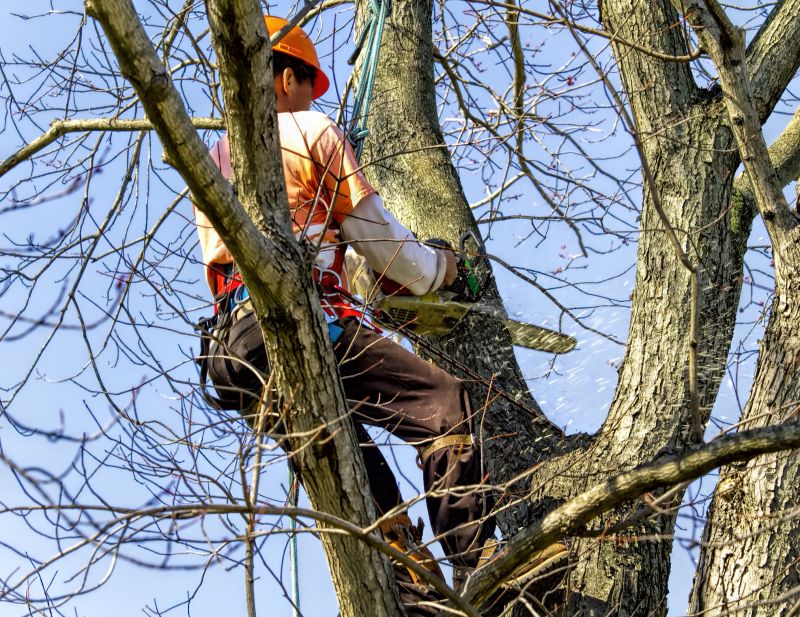 Removing tree branches safely and efficiently requires the right tools tailored to the task's complexity. Whether dealing with small, manageable limbs or larger, more challenging branches, selecting appropriate equipment can make the process safer and more effective. Handheld tools like pruning shears are suitable for smaller branches, offering precision and control. For larger limbs, extending tools such as pole pruners or chainsaws are often necessary to reach higher or more cumbersome areas. Proper safety gear, including gloves, eye protection, and helmets, is essential regardless of the tool chosen. When planning a branch removal, assessing the size, location, and potential hazards associated with the branches can help determine the most suitable equipment. Additionally, understanding the maintenance and handling requirements of different tools can contribute to safer and more efficient work. The right product choice can help prevent accidents, reduce physical strain, and ensure a cleaner cut that promotes healthy tree growth afterward.
Top Overall Option
Telescoping Pole Pruner
A versatile telescoping pole pruner extends reach and allows for safe, controlled trimming of high or hard-to-access branches. Its adjustable length and ergonomic design make it suitable for various tree sizes and limb thicknesses, providing a practical solution for both amateur and experienced users. The tool typically features a sharp cutting blade and a user-friendly mechanism for easy operation, reducing the need for ladders or climbing. Its lightweight construction helps minimize fatigue during extended use, and many models include safety features such as locking mechanisms and anti-slip grips. Overall, a telescoping pole pruner offers a balanced combination of reach, control, and safety for branch removal tasks.
Types of Products For Tree Branch Removals
Hand Pruning Shears
Ideal for trimming small branches and twigs, providing precision and control for detailed cuts.
Loppers
Suitable for medium-sized branches, offering increased leverage and cutting power.
Pole Pruners
Extendable tools designed to reach high branches safely without climbing.
Chainsaws
Powerful options for cutting larger branches and limbs, suitable for more substantial removal tasks.
Bow Saws
Manual saws with a curved blade, effective for cutting medium to large branches in outdoor settings.
Reciprocating Saws
Heavy-duty power tools capable of tackling thick branches with specialized blades.
Tree Climbing Gear
Harnesses, ropes, and safety equipment for professional or advanced tree work.
Aerial Lifts
Mechanized platforms for reaching high branches safely in commercial or large-scale tasks.
Rope and Pulley Systems
Assist in controlling and lowering large branches safely from the ground.
Safety Gear
Helmets, gloves, eye protection, and high-visibility clothing for safe operation.
Popular Choices
A trending tool that allows users to reach high branches without ladders, combining safety and convenience.
Compact and easy-to-handle, popular for small to medium branch cutting tasks.
A classic manual saw favored for its simplicity and effectiveness in outdoor pruning.
Cordless and portable, offering extended reach with minimal effort for various branch sizes.
Popular for detailed trimming of smaller branches and twigs.
Chosen for their leverage and cutting capacity on medium-sized branches.
Widely used for personal protection during branch removal activities.
Favored for large-scale or professional tree maintenance projects.
Trending for controlled removal of heavy branches from the ground.
Key Buying Considerations
- Branch size and thickness determine the suitable cutting tool, from hand pruners to chainsaws.
- Reach and height clearance needed for the branches influence the choice between manual and powered tools.
- Frequency of use and project scale can help decide whether to invest in manual tools or power equipment.
- Safety features such as locking mechanisms, anti-slip grips, and protective gear are essential for safe operation.
- Weight and ergonomics affect comfort during extended use, especially for manual tools.
- Power source options include electric, battery-operated, or gas-powered, each with its own advantages and limitations.
- Maintenance requirements, including sharpening and cleaning, can impact long-term usability.
- Storage and portability are considerations for tools that will be transported or stored regularly.
- Environmental conditions, such as moisture and dirt, influence the durability and material choice of tools.
- Budget constraints should be balanced with the quality and features needed for safe and effective work.
- Compatibility with existing tools or accessories can enhance versatility and convenience.
- Ease of operation and learning curve are important for users unfamiliar with power equipment.
- Legal or local regulations regarding power tool usage or tree work may affect tool selection.
- Availability of replacement parts and customer support can influence long-term satisfaction.